

Choosing the right residential moving provider in Roseville, CA, requires verifying licensing, checking for hidden fees, and assessing local experience. The best option is a licensed, insured, and BBB-accredited company with transparent pricing and a proven track record in the Sacramento Valley. This guide covers how to evaluate, verify, and select a moving company for your specific needs.
How to Choose a Provider
Selecting a mover is not just about finding the lowest bid. It is about finding a partner who understands the logistics of your specific move. A good provider separates itself through transparency, specialized equipment, and local knowledge. You want a team that treats your belongings with the same respect they would their own.
Transparency and Communication
Look for a company that provides clear, written estimates. Avoid providers who give vague verbal quotes or refuse to itemize costs. A reputable firm will explain exactly what is included in the price and what might trigger additional charges. Clear communication before the move prevents disputes on moving day.
Equipment and Handling
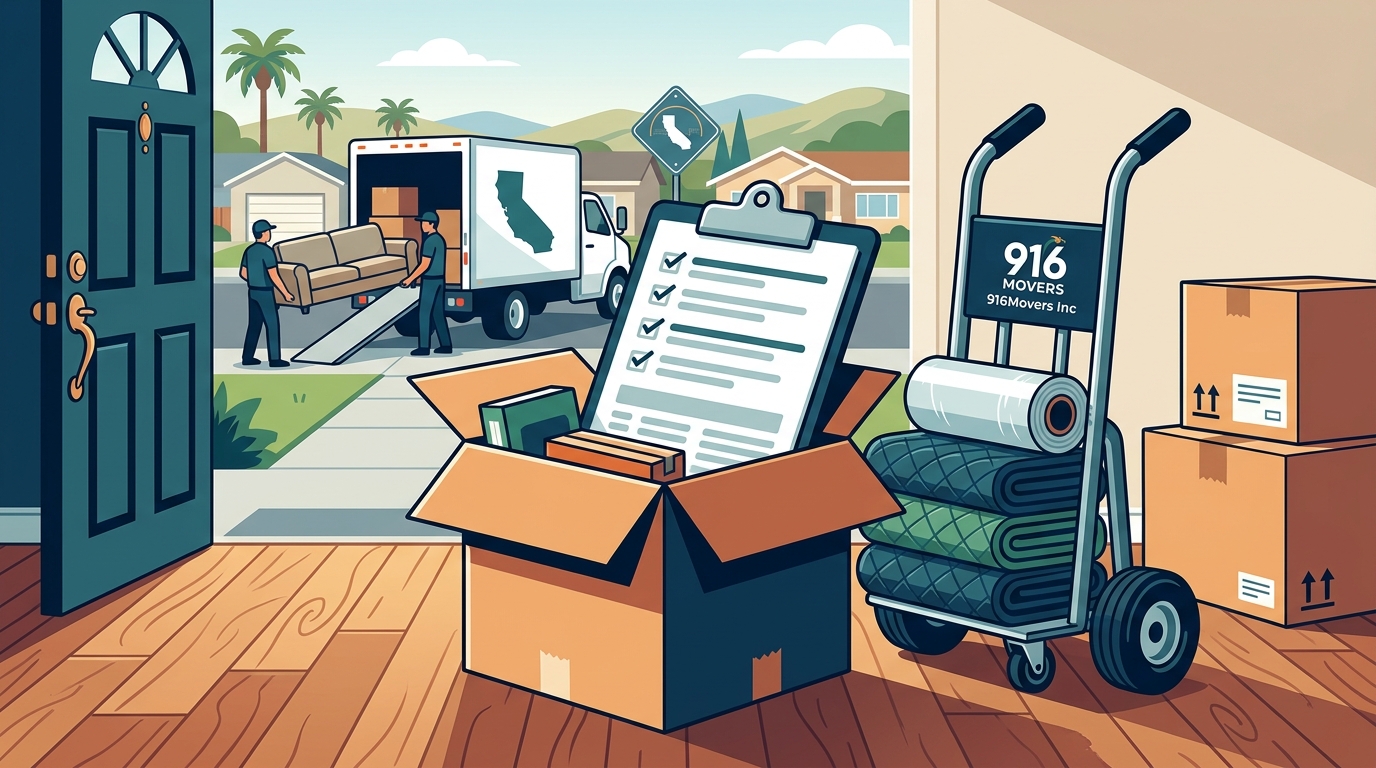
Check what equipment the company uses. Do they provide professional-grade dollies, industrial straps, and moving blankets? Are these items included in the price or charged as add-ons? A company that offers all moving equipment free of charge, such as quilted moving pads and shrink wrap, demonstrates a commitment to protecting your items without nickel-and-diming you.
Local Experience
Local movers know the terrain. They understand which streets in Roseville have tight turns, which buildings have strict elevator reservations, and how to navigate the Sacramento Valley efficiently. This local expertise often translates to faster moves and fewer surprises.
Questions to Ask Before Committing
Before you sign a contract, you must ask specific questions to gauge the provider's professionalism. These questions help you identify red flags and ensure the company can handle your specific requirements.
Licensing and Insurance
Ask for their California Public Utilities Commission (CPUC) license number and their insurance certificate. Verify that they are licensed for intrastate moves within California. Ask specifically about their liability coverage. Do they offer full value protection, or only basic carrier liability? Understanding the difference is critical for high-value items.
Fee Structure
Ask if there are hidden fees. Specifically, ask about charges for stairs, appliances, shrink wrap, moving blankets, and weekend moves. A transparent company will state clearly that there are no hidden fees for these common items. If they hesitate or say it depends, be cautious.
Crew Composition
Ask how many movers will be on your move and what their experience level is. Will the crew that estimates your move be the same crew that performs it? Consistency in staffing ensures that the plan discussed during the estimate is executed on the day. according to Roseville named the
Verifying Credentials and Claims
Never take a moving company's word for their credentials. You must verify them independently. This step protects you from unlicensed operators and fraudulent businesses.
Check the CPUC Database
California requires all moving companies to be licensed by the Public Utilities Commission. You can search the CPUC database to verify that the company is active and in good standing. If the company cannot provide a valid license number, do not hire them.
BBB Accreditation
Check the Better Business Bureau (BBB) profile. Look for accreditation status and read recent customer reviews. Pay attention to how the company responds to complaints. A company that addresses issues promptly and professionally is more likely to resolve any problems that arise during your move.
Online Reviews
Read reviews on multiple platforms. Look for patterns in the feedback. Are customers praising the crew's care? Are there complaints about damage or late arrivals? Consistent positive feedback across different sites is a strong indicator of reliability.
The Moving Process and Timeline
Understanding the workflow helps you prepare and reduces stress. A professional move follows a structured sequence from initial contact to final delivery.
Estimation and Scheduling
The process begins with a free estimate. This can often be done over the phone or via video call. Once you accept the quote, you schedule a date. It is best to book two to four weeks in advance to secure your preferred date.
Packing and Loading
On moving day, the crew arrives at the agreed time. They bring all necessary equipment, including dollies, straps, and pads. They pack and load your items, using protective materials to prevent damage. If you are doing your own packing, the crew will still handle the heavy lifting and secure the load in the truck.
Transport and Unloading
The truck travels to your new location. The crew unloads the items and places them in the designated rooms. They reassemble furniture if requested. The move is complete when all items are delivered and the crew has cleared the site.
Cost Drivers and Pricing
Moving costs are influenced by several factors. Understanding these drivers helps you budget accurately and avoid surprises.
Volume and Weight
The primary cost driver is the volume and weight of your belongings. A larger home with more items requires more labor and truck space. The estimate is usually based on the number of bedrooms or the total cubic feet of goods.
Distance and Access
Services and Add-Ons
Additional services like packing, unpacking, or special item handling can increase the price. However, some companies, like 916 Movers, offer essential equipment like shrink wrap and moving blankets free of charge, which can save you money compared to competitors who charge for these basics.
Common Mistakes to Avoid
Many moving disasters stem from simple oversights. Avoiding these common mistakes can save you time, money, and stress.
Underestimating Your Belongings
People often underestimate how much they own. This leads to a truck that is too small, requiring a second trip or a larger truck at a higher cost. Take an honest inventory of your items before getting an estimate.
Ignoring the Fine Print
Read the contract carefully. Look for clauses about liability, cancellation policies, and additional fees. If a term is unclear, ask for clarification before signing. Do not assume that what was said verbally is what is written in the contract.
Not Preparing for Moving Day
Failure to pack essentials or clear pathways can delay the move. Keep a box of immediate needs (toiletries, clothes, chargers) accessible. Ensure the crew has clear access to your home and the truck.
Professional vs. DIY and Alternatives
You have several options for moving: full-service professional movers, labor-only services, or a DIY move. Each has its pros and cons.
Full-Service Movers
Full-service movers handle everything from packing to unpacking. This is the most convenient option but typically the most expensive. It is ideal for those who want a stress-free experience and have the budget for it.
Labor-Only Services
Labor-only services provide the movers and the truck, but you do the packing. This is a middle-ground option that saves money on labor while still providing professional handling of heavy items. It is a good choice for those who are willing to pack but want help with the physical lifting.
DIY Moves
A DIY move involves renting a truck and doing all the work yourself. This is the cheapest option but carries the highest risk of injury and damage. It requires significant time and physical effort. It is only recommended for small moves or those with ample time and help.
Situational Considerations
Your specific situation may require a tailored approach. Consider the following factors when choosing a provider.
High-Value or Fragile Items
If you have pianos, antiques, or large electronics, you need a company with specialized experience. Ask about their training and equipment for handling these items. Ensure they offer adequate insurance coverage for high-value goods.
Apartment and Condo Moves
Living in an apartment or condo may involve elevator reservations and building rules. A local mover will know these requirements and can handle the logistics. They will also be familiar with parking restrictions and loading dock procedures.
Long-Distance Moves
If you are moving out of state, you need a company licensed for interstate moves. Verify their FMCSA (Federal Motor Carrier Safety Administration) registration. Long-distance moves require more planning and documentation than local moves.
Regulations and Consumer Protections
California has specific regulations governing the moving industry. Understanding these rules protects your rights as a consumer. according to Roseville named the
CPUC Licensing
All moving companies operating within California must be licensed by the CPUC. This license ensures that the company meets certain standards for safety and financial responsibility. You have the right to request and verify this license.
Bill of Lading
You are entitled to a Bill of Lading, which is a legal contract between you and the mover. It details the terms of the move, including the price, date, and items being moved. Keep a copy of this document for your records.
Liability Coverage
Movers are required to offer basic liability coverage, but you can purchase additional full value protection. Understand the difference between these two types of coverage. Basic liability covers a limited amount per pound, while full value protection covers the replacement value of damaged items.
Roseville and Sacramento Valley Specifics
Living in Roseville or the surrounding Sacramento Valley presents unique moving challenges. A local provider will be familiar with these specifics.
Geography and Traffic
The Sacramento Valley has specific traffic patterns and road conditions. Local movers know the best routes to avoid congestion, especially during peak hours. They are also familiar with the terrain, including hills and narrow streets in certain neighborhoods.
Community and Neighborhoods
Roseville is a growing city with diverse neighborhoods, from established suburbs to newer developments. A local mover will understand the specific access challenges of different areas. They will know which streets have parking restrictions and which buildings have specific moving rules.
Climate Considerations
California's climate can affect moving logistics. Hot summers and occasional winter rains require proper planning. A professional mover will take precautions to protect your items from weather-related damage during the move.
Timing Your Move
When you choose to move can significantly impact your cost and experience. Timing is a critical factor in planning your relocation.
Peak vs. Off-Peak Seasons
Summer is the peak moving season, with higher demand and prices. Moving in the off-peak seasons (fall, winter, or early spring) can save you money and may result in more availability. If your schedule is flexible, consider moving during these times.
Day of the Week
Moving on a weekend is more expensive due to higher demand. Moving on a weekday, particularly mid-week, is often cheaper and may allow for a more relaxed schedule. However, ensure that both your old and new landlords or property managers allow weekday moves.
Advance Booking
Book your movers as early as possible. Popular dates fill up quickly, especially during peak season. Booking two to four weeks in advance is recommended, but earlier is better if you have a specific date in mind.
Long-Term Outcomes
The quality of your moving experience extends beyond moving day. A good provider ensures a smooth transition that sets you up for success in your new home.
Stress Reduction
A professional move reduces the physical and mental stress of relocating. You can focus on settling into your new home rather than worrying about the logistics. This leads to a faster and more comfortable adjustment period.
Item Safety
Professional movers use proper techniques and equipment to protect your belongings. This minimizes the risk of damage, saving you money on repairs or replacements. A well-executed move ensures that your items arrive in the same condition they left.
Reliability and Trust
Choosing a reputable provider builds trust. If any issues arise, a reliable company will address them promptly and professionally. This peace of mind is invaluable during a stressful time. It also means you can recommend the company to friends and family in the future.
Key Takeaways
- Verify the mover's CPUC license and BBB accreditation before signing a contract.
- Ask specific questions about hidden fees, especially for stairs, appliances, and equipment.
- Choose a company that offers essential moving equipment, like pads and straps, free of charge.
- Understand the difference between basic liability and full value protection insurance.
- Book your move two to four weeks in advance to secure your preferred date.
- Consider moving on a weekday or during the off-peak season to save money.
- Read the Bill of Lading carefully and keep a copy for your records.
- Select a local provider with experience in the Sacramento Valley for better logistics.
Frequently Asked Questions
How do I verify if a moving company is licensed in California?
You can verify a moving company's license by searching the California Public Utilities Commission (CPUC) database. Ask the company for their license number and check it against the official records to ensure they are active and in good standing.
What is the difference between basic liability and full value protection?
Are there hidden fees for stairs or appliances?
It depends on the company. Some movers charge extra for stairs, appliance disconnection, or special equipment. A transparent company will disclose all potential fees upfront. Look for providers that offer a 100% guarantee of no hidden fees for common items.
How far in advance should I book my movers?
It is recommended to book your movers two to four weeks in advance. During peak moving seasons, such as summer, you may need to book even earlier to secure your preferred date.
Do I need to pack my own boxes?
It depends on the service you choose. Full-service movers will pack your items for you. Labor-only services require you to pack your own boxes, but the movers will handle the loading and unloading. DIY moves require you to do all the packing and lifting.
What should I do if my items are damaged during the move?
Document the damage immediately by taking photos and noting the items in your inventory. Notify the moving company as soon as possible. File a claim with the mover's insurance provider, providing the documentation and your Bill of Lading.
Is it cheaper to move on a weekend?
No, weekends are typically more expensive due to higher demand. Moving on a weekday, particularly mid-week, is often cheaper and may allow for a more relaxed schedule.
What is a Bill of Lading?
A Bill of Lading is a legal contract between you and the moving company. It details the terms of the move, including the price, date, and items being moved. It is also a receipt for your goods. Keep a copy for your records.